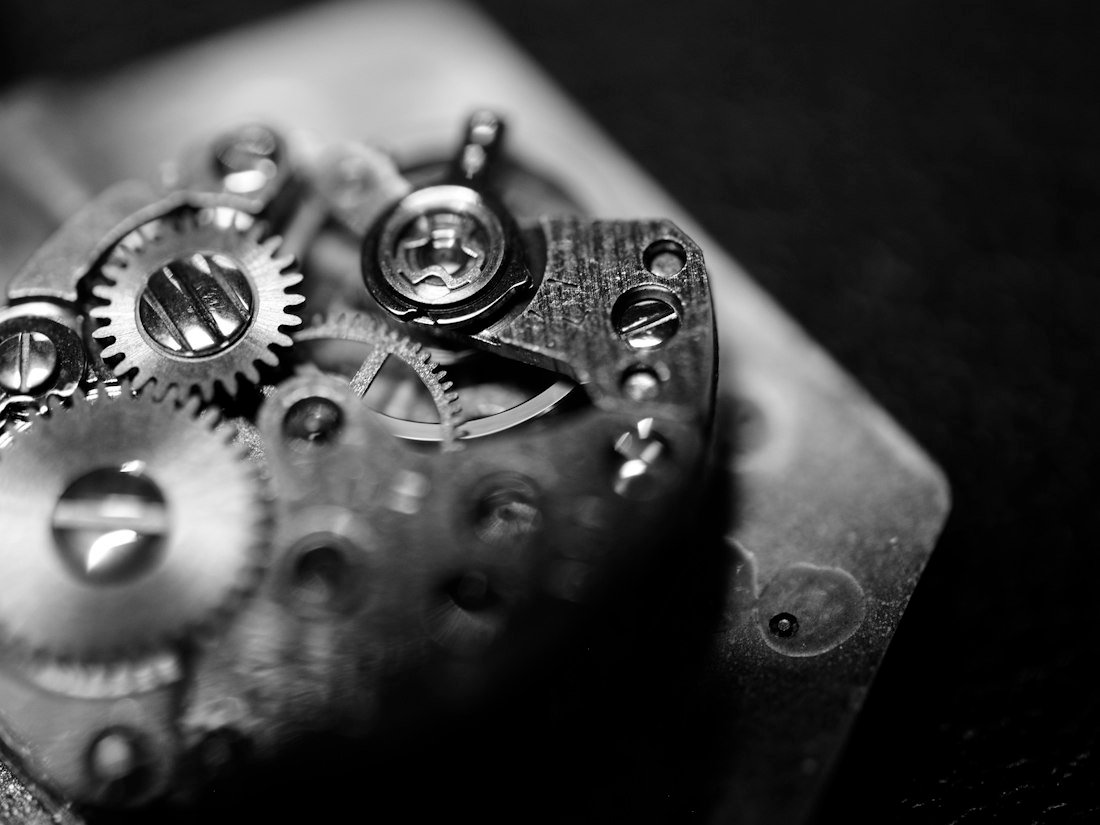
A genuine luxury watch and a counterfeit may look similar in photographs, but they differ in origin, authenticity, quality assurance, legal status, and long-term ownership experience.
Original, replica, homage, and aftermarket: what do they mean?
Original / authentic watch
A genuine watch is manufactured or authorized by the brand it claims to be. Authenticity depends on the watch and its components, not just on packaging or a seller’s description.
Counterfeit / fake / replica
A counterfeit watch uses another brand’s name, logo, or protected branding without authorization to imitate a genuine product. Terms such as “1:1 replica,” “super clone,” and “AAA copy” are marketing claims, not evidence of authenticity or quality. Selling counterfeits can violate trademark laws, and importation may be restricted or prohibited depending on jurisdiction.
Homage watch
An homage watch borrows design inspiration without falsely claiming to be made by the original brand. Whether a particular design is legally permissible depends on its details and applicable law.
Modified or aftermarket watch
A watch can be genuine yet contain replacement or customized parts. Non-original dials, bezels, bracelets, or movements can affect value, warranty, and collectability. A genuine box or certificate alone does not prove every component is original.
Key differences: authentic versus counterfeit
| Factor | Genuine watch | Counterfeit watch |
|---|---|---|
| Origin | Produced or authorized by the named brand | Made without the named brand’s authorization |
| Movement | Brand-specified movement and quality controls | May contain an unrelated or imitative movement |
| Finishing | Designed to meet the brand’s standards | Quality varies and may imitate surface details |
| Warranty and service | Brand service may be available subject to conditions | Brand service and warranty generally do not apply |
| Resale and provenance | Potentially verifiable through documentation and specialist inspection | Misrepresented provenance and serious resale risks |
Warning signs to investigate
Be cautious of implausibly low prices, pressure to pay immediately, unclear seller identity, inconsistent model details, altered or mismatched serial/reference information, suspicious documentation, and refusals to permit independent inspection. None of these signs alone conclusively proves a watch is fake.
Can you spot a fake Rolex or Richard Mille from a photo?
Not reliably. Sophisticated counterfeits may reproduce visual details closely. Weight, movement appearance, engraving, and packaging can be misleading, especially when parts have been swapped. Authentication should not rely on a single checklist or an online photo.
How to buy more safely
- Prefer the brand’s authorized retailers or established pre-owned dealers with clear authenticity and return policies.
- Confirm the exact reference and ask about service history and replaced parts.
- Arrange inspection by a qualified independent watchmaker or reputable authentication specialist before a high-value purchase where possible.
- Check the seller’s reputation, payment protections, and return terms.
- Keep invoices, correspondence, and provenance records.
What if you already bought a suspected fake?
Keep the watch and transaction records, avoid modifying it, request an assessment from a qualified professional, and contact the seller or your payment provider about available remedies. Local consumer and trademark laws differ.
Important: WatchVanta does not authenticate individual watches, issue certificates of authenticity, or sell counterfeit products. This guide is educational, not a substitute for professional authentication.