Automatic vs Quartz Watches: Which Movement Should You Choose?. A practical WatchVanta guide with photographs and explanations of what to look for.
How automatic movements work
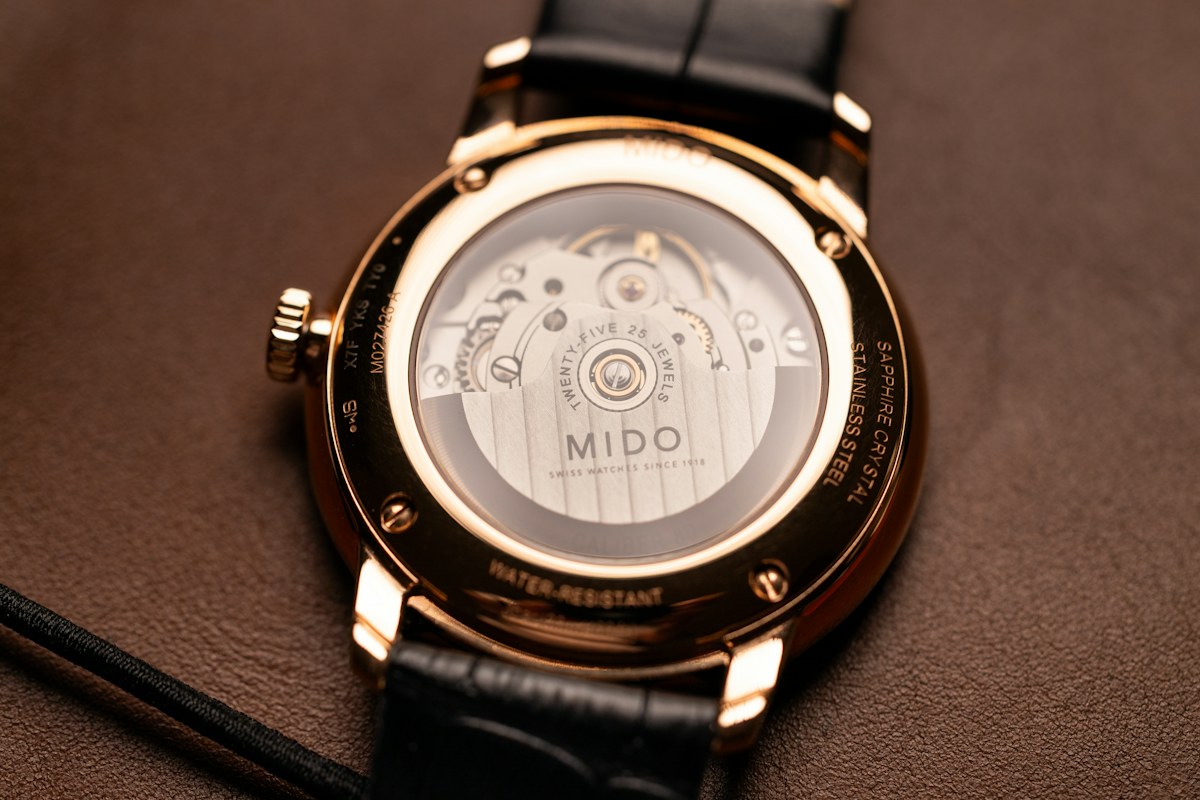
An automatic watch uses a mainspring to store energy. A rotor moves as the wearer moves and helps wind the spring. The movement then releases energy through its gear train and escapement. An automatic watch is mechanical: it does not require a battery, but it still needs periodic servicing and may stop after its power reserve runs down.
Why quartz is practical
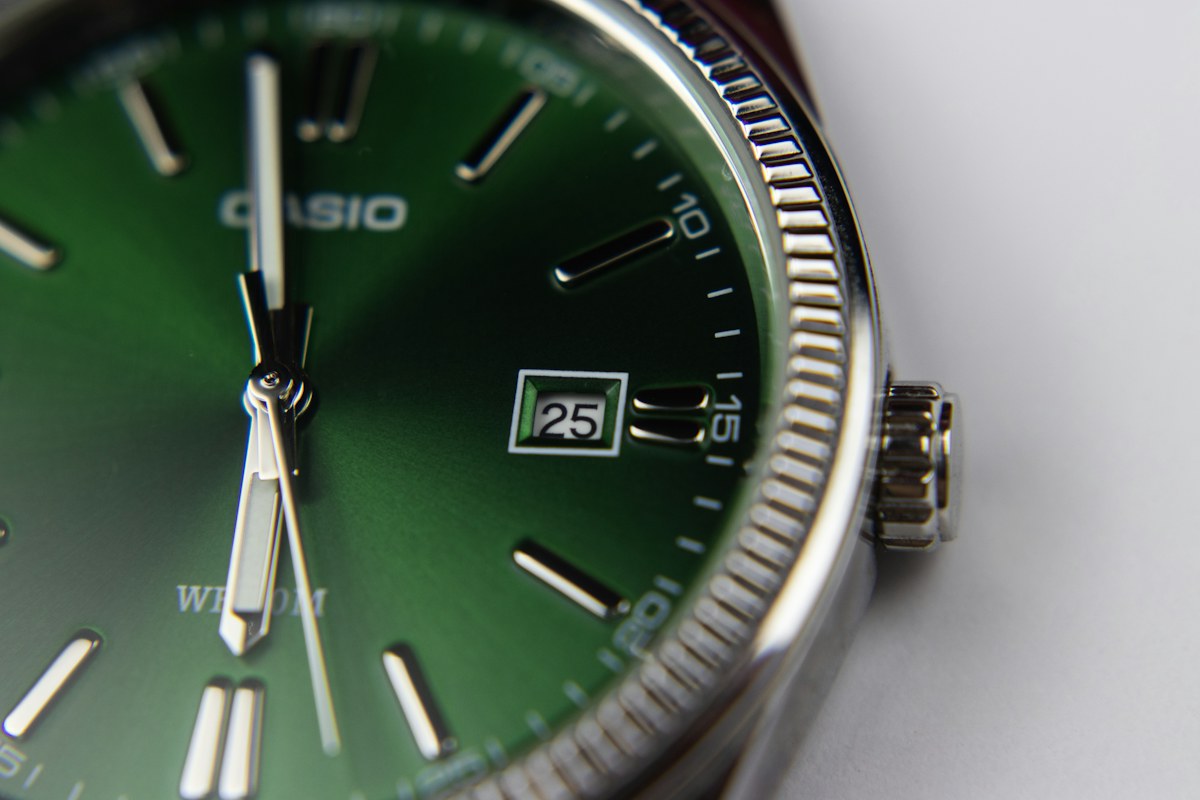
Quartz watches typically use a battery and an electronic oscillator regulated by a quartz crystal. They are generally more accurate and need less routine mechanical maintenance than automatic watches. Battery replacement, water-resistance checks, and care of the case and strap still matter.
Which should you buy?
Choose automatic if you value mechanical craftsmanship, the sweep of the seconds hand, and the experience of owning a traditional movement. Choose quartz if precision, affordability, and convenience are higher priorities. Neither technology is automatically better for every wearer: compare the exact model, service requirements, warranty, and fit.

Independent educational content. Photographs are illustrative and do not imply sponsorship or hands-on testing.